Ever wondered why some characters feel instantly familiar, like old friends or formidable foes you’ve known your whole life? Or why certain story patterns resonate so deeply, pulling you in with an undeniable force? The secret often lies in the masterful use of Narrative Roles & Archetypes. These aren't just literary terms; they're the psychological scaffolding beneath every compelling character and the invisible currents guiding every epic tale, giving voice to universal human experiences and anxieties. For storytellers, understanding them isn't just helpful—it's transformative, allowing you to craft narratives that feel both fresh and timeless.
At a Glance: Understanding Narrative Roles & Archetypes
- Universal Patterns: Archetypes are shared, unconscious patterns of thought, feeling, and behavior that transcend cultures.
- Character Foundation: They provide a baseline for character traits, motivations, and potential story arcs, making characters instantly relatable.
- Narrative Blueprint: Archetypal patterns (like the Hero's Journey) offer proven structures for compelling plots.
- Driving Conflict & Growth: Clashing archetypes create tension, and a character's journey often involves evolving beyond their initial archetype.
- Beyond Stereotypes: Effective use involves layering and nuance, avoiding one-dimensional clichés.
- Empowers Storytelling: They offer a powerful toolkit for creating deep, resonant characters and engaging stories that stick with an audience long after the credits roll.
The Unseen Architects of Story: What Are Narrative Roles & Archetypes?
At its heart, storytelling is about making sense of the human condition. We seek patterns, meaning, and connection. This is where narrative roles and archetypes step onto the stage, not as rigid templates, but as profound psychological blueprints that speak to our collective unconscious.
Narrative roles are essentially the functional positions characters occupy within a story. Think of them as job descriptions: the Protagonist, the Antagonist, the Sidekick, the Love Interest. These roles define a character's purpose in the plot.
Archetypes, on the other hand, dive much deeper. Coined by Swiss psychiatrist Carl Jung, archetypes are universal, primordial images and patterns of thought that reside in the collective unconscious of humanity. They represent fundamental human experiences, motivations, and fears that we instinctively recognize, regardless of our individual backgrounds. An archetype isn't a specific character, but rather a mode of being that a character embodies.
When you fuse a functional narrative role with a powerful archetype, you get characters who feel immediately understandable, yet capable of immense depth. A "Protagonist" becomes "The Hero" embarking on a quest; an "Antagonist" might embody "The Shadow" or "The Tyrant." This shared language ensures that audiences connect with characters on an emotional and primal level, creating stories that resonate far beyond superficial plot points.
The Core Cast: Understanding Key Archetypes and Their Power
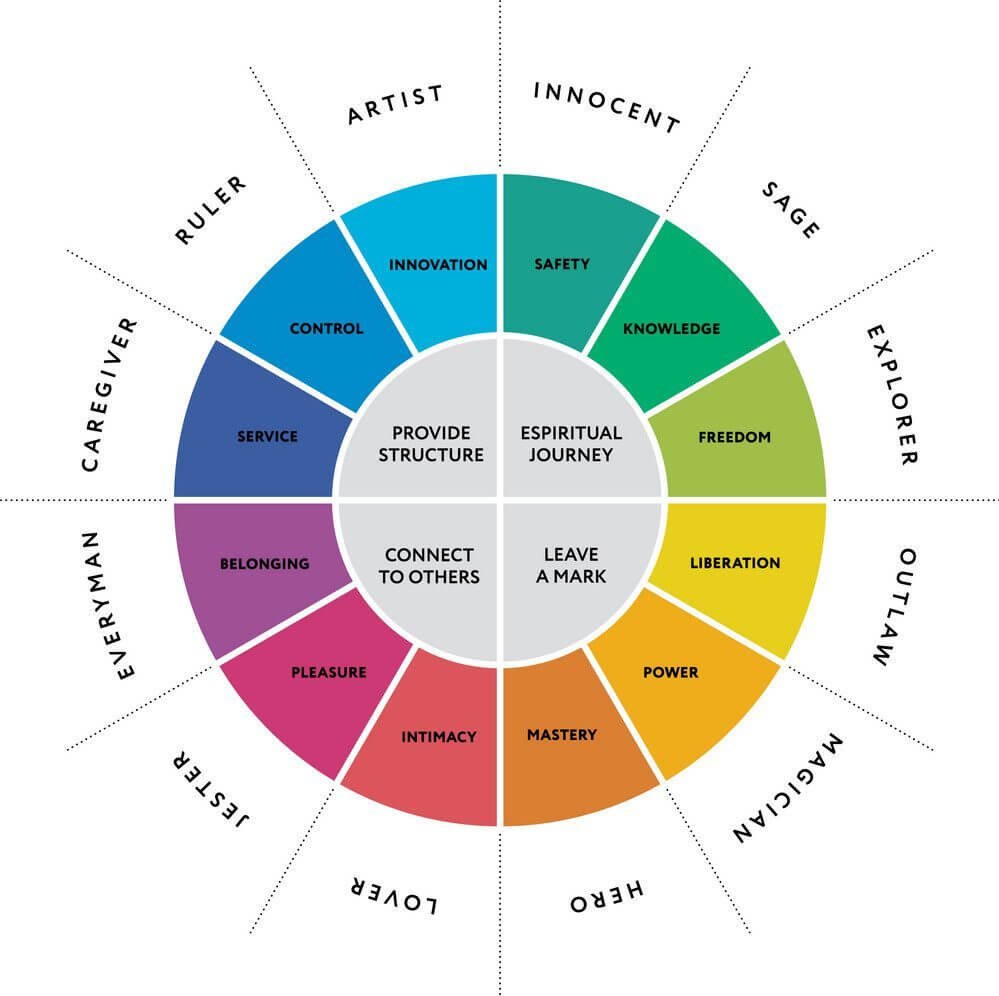
While Jung identified many archetypes, a handful are particularly prevalent and powerful in storytelling. They provide a foundational understanding of character motivations and how they interact with the world and each other.
The Hero: The Call to Action and Self-Discovery
Perhaps the most recognized archetype, The Hero embodies courage, determination, and a willingness to take risks. Heroes are often called to adventure, facing formidable challenges and making sacrifices for a greater good. Their journey is fundamentally one of self-discovery, where they overcome internal and external obstacles to transform and inspire.
- Core Desire: To prove worth through courageous acts.
- Goal: To achieve mastery, rescue, or fulfill a destiny.
- Fear: Weakness, vulnerability, cowardice.
- Shadow Side: Arrogance, recklessness, self-destructive tendencies.
- Examples: Luke Skywalker (Star Wars), Katniss Everdeen (The Hunger Games), Harry Potter (Harry Potter series).
The Mentor: Guiding Light and Wisdom Bearer
The Mentor is the wise, experienced guide who offers counsel, training, and moral support to the Hero. They often possess profound knowledge or special abilities and appear at crucial junctures to help the Hero navigate their journey. Mentors don't fight the Hero's battles for them, but rather empower them with the tools and insights needed to succeed independently.
- Core Desire: To help others achieve their potential.
- Goal: To guide and protect the protagonist.
- Fear: Helplessness, being unable to protect.
- Shadow Side: Manipulation, over-control, creating dependency.
- Examples: Obi-Wan Kenobi (Star Wars), Albus Dumbledore (Harry Potter), Gandalf (Lord of the Rings).
The Outcast / Rebel: Challenging the Status Quo
Independent, often misunderstood, and sometimes fiercely rebellious, The Outcast or Rebel challenges established norms and authorities. This archetype represents the desire for freedom and the courage to break away from conventions, often becoming a catalyst for change. Their journey often involves finding acceptance on their own terms or carving a new path entirely.
- Core Desire: To break free from oppression, to live authentically.
- Goal: To overturn what isn't working, or to simply be themselves.
- Fear: Conformity, powerlessness.
- Shadow Side: Nihilism, self-destruction, gratuitous rebellion.
- Examples: Severus Snape (Harry Potter—complex, embodying both Mentor and Outcast aspects), Han Solo (Star Wars), Lisbeth Salander (The Girl with the Dragon Tattoo).
The Caregiver: Nurturing, Supporting, Protecting
Compassionate, selfless, and deeply empathetic, The Caregiver is driven by a desire to protect and support others. They are the nurturers, the healers, and the ones who offer comfort and unconditional love. While often overlooked for their quiet strength, Caregivers are essential for emotional stability within a narrative, holding families and communities together.
- Core Desire: To protect and care for others.
- Goal: To help, to nurture, to serve.
- Fear: Selfishness, instability, harm befalling loved ones.
- Shadow Side: Martyrdom, enabling, self-neglect, being exploited.
- Examples: Samwise Gamgee (Lord of the Rings), Mary Poppins, Marge Simpson (The Simpsons).
Other Notable Archetypes: Expanding Your Toolkit
While these four are prominent, many others offer rich narrative potential:
- The Innocent: Optimistic, pure, seeks safety and happiness. (e.g., Buddy the Elf, early Frodo Baggins)
- The Lover: Passionate, committed, seeks connection and intimacy. (e.g., Romeo and Juliet, Jack Dawson in Titanic)
- The Creator: Innovative, artistic, seeks to bring vision into reality. (e.g., Willy Wonka, Tony Stark)
- The Ruler: Authoritative, seeks control and order. (e.g., King Lear, Cersei Lannister)
- The Jester: Playful, humorous, seeks enjoyment and to lighten the mood. (e.g., Tyrion Lannister, Genie)
- The Sage: Truth-seeker, wise, analytical. (e.g., Sherlock Holmes, Morpheus in The Matrix)
- The Magician: Visionary, transformative, seeks power to change the world. (e.g., Merlin, Doctor Strange)
- The Explorer: Adventurous, independent, seeks discovery and new experiences. (e.g., Indiana Jones, Dora the Explorer)
Beyond the Blueprint: Archetypes as Drivers of Story and Transformation
Archetypes aren't just character labels; they are dynamic forces that drive plots and shape character arcs. They provide a predictable yet endlessly variable framework for human experience.
Character Growth and Transformation
One of the most compelling uses of archetypes is to illustrate a character's journey of growth and transformation. A character rarely remains static in a compelling story. They evolve, often shedding one archetypal skin for another, or integrating different archetypal qualities.
Consider a character who starts as an Innocent—naive, optimistic, perhaps vulnerable. Through a series of traumatic events or disillusioning experiences, they might emerge as more cynical, world-weary, perhaps even embodying aspects of The Outcast or a jaded Sage.
- Example: Ellen Ripley from Alien begins as a pragmatic officer but transforms into a fierce Warrior and Survivor as she repeatedly confronts unimaginable horror. Her initial archetype (perhaps "The Competent Professional") shifts dramatically in response to extreme external pressure, forging a new, more hardened self.
- Example: Luke Skywalker begins as a clear Innocent on a farm, yearns for adventure, and evolves into The Hero of the Rebellion, guided by the Mentor Obi-Wan. His journey is a classic Hero's arc.
Archetypes in Narrative Structures: Universal Story Patterns
Archetypes also form the backbone of compelling narrative structures, offering patterns that resonate deeply with audiences across cultures and generations.
- Joseph Campbell's Hero's Journey: This is arguably the most famous archetypal narrative pattern. It outlines a transformative quest undertaken by a Hero, involving a "Call to Adventure," a "Refusal of the Call," meeting a "Mentor," facing "Tests, Allies, and Enemies," experiencing a central "Ordeal," receiving a "Reward," and ultimately a "Return with the Elixir" to share with the world. This structure, detailed in Campbell's The Hero with a Thousand Faces, underpins countless myths, legends, and modern blockbusters.
- The Quest: A fundamental pattern where a Hero or group embarks on a journey to achieve a specific goal—whether it's finding a magical artifact, rescuing a person, or reaching a mythical place. This pattern often heavily involves The Explorer and challenges that test The Hero's resolve.
- The Rebirth: This narrative sees a character undergoing a profound transformative journey, often involving a symbolic "death" and "resurrection," emerging fundamentally renewed and changed. This can be literal or metaphorical, signifying a complete shift in personality or perspective.
- The Tragedy: A poignant pattern where a character's inherent flaws, often driven by a negative aspect of their dominant archetype (e.g., a Ruler's hubris, a Hero's overconfidence), lead inevitably to their downfall.
Generating Tension and Conflict
The interplay of different archetypes naturally generates tension and conflict, adding layers of drama and interest to your story. When characters representing opposing archetypal drives collide, sparks fly.
- Imagine The Warrior clashing with The Caregiver. The Warrior's drive for decisive action and confrontation might be at odds with the Caregiver's desire for peace and protection, creating internal or external conflict.
- An Outcast fighting against a tyrannical Ruler is a classic setup, embodying the struggle between freedom and control.
- A naive Innocent falling prey to a manipulative Magician (in its shadow form) creates immediate drama and vulnerability.
Understanding these inherent tensions helps you design dynamic character interactions and plot points.
Crafting Complexity: Layering Archetypes and Avoiding Pitfalls
While archetypes provide a powerful foundation, the art lies in using them as a starting point, not a finishing line. Great characters are rarely one-dimensional archetypes; they are rich tapestries woven from multiple influences.
Nuance is Key: Beyond Stereotypes
The biggest danger of using archetypes is falling into the trap of stereotypes. A stereotype is a simplistic, often prejudiced oversimplification of a group or type of person. Archetypes, conversely, are universal patterns that, when used effectively, create depth and relatability. The key is to:
- Avoid Over-Reliance: Don't just tick off a checklist of archetypal traits.
- Add Layers: Infuse your archetypal character with unique personality quirks, specific backstories, and contradictory desires that make them feel like a real person.
- Show, Don't Tell: Instead of stating "he's a hero," show his courageous acts, his internal struggles, and his moments of doubt.
Layering Archetypes for Depth
Truly memorable characters often embody a primary archetype while subtly hinting at others, or even possessing a strong secondary archetype. This layering creates complexity and makes characters unpredictable yet believable.
- Example: Severus Snape from Harry Potter is a brilliant example of a character who defies simple categorization. He primarily functions as a Mentor figure (teaching potions, guiding Harry in his own dark way) but also embodies the characteristics of The Outcast (isolated, misunderstood, living on the fringes) and even a tragic Lover (his unwavering devotion to Lily Potter). This blend makes him one of literature's most compelling and debated figures.
- Example: A Hero might also have a deeply vulnerable side, perhaps driven by The Innocent's fear of failure, or a Mentor could harbor a hidden flaw, like The Magician's temptation for power. Even characters like Princess Fiona in Shrek defy simple archetypal classification by being both "The Princess" (Innocent/Lover) and "The Ogre" (Outcast/Warrior), creating a rich, humorous, and relatable character who challenges traditional fairy tale tropes.
The Shadow Side: Embracing Imperfection
Every archetype has a "shadow" side—the potential negative manifestations of its core drives. A Hero's courage can become recklessness; a Caregiver's nurturing can become enabling or martyrdom; a Ruler's desire for order can become tyranny. Exploring these shadow aspects is crucial for creating realistic characters and dramatic conflict. It's often through confronting their own shadow that characters truly grow.
Cultural and Historical Context
When working with archetypes, be mindful of cultural and historical context. What resonates as a Hero in one culture might be seen differently in another. Similarly, gender roles often dictated archetypal representations in the past. Be sensitive to these nuances to avoid insensitivity or appropriation, ensuring your archetypes feel authentic and respectful to your story's world and audience.
Putting it into Practice: How to Weave Archetypes into Your Story
Understanding archetypes in theory is one thing; applying them to make your characters leap off the page is another. Here’s a practical guide:
- Identify Your Core Archetype: For your protagonist, antagonist, and key supporting characters, brainstorm which primary archetype best describes their fundamental drive and role in the story. Don't force it, but let your intuition guide you.
- Brainstorm Traits & Motivations: Use the chosen archetype as a springboard. If your character is The Explorer, what would their motivation be? Freedom? Discovery? Escaping something? What traits naturally follow: adventurous, restless, curious?
- Challenge the Archetype: This is where the magic happens. How does your character deviate from the pure archetype? What conflicting desires do they have? What external pressures push them away from their archetypal core? Maybe your Hero secretly wishes for a normal life, or your Caregiver has a hidden selfish streak. This creates internal conflict and makes them unique.
- Explore Interplay: Consider how different archetypes will interact. How will a pragmatic Sage react to a spontaneous Jester? What kind of tension will arise between an idealistic Innocent and a cynical Outcast? Use these archetypal clashes to design your character dynamics and plot developments.
- Develop an Arc: How will your character grow or transform through their journey? Will your Innocent become a hardened Warrior? Will your Ruler learn humility? Archetypes provide a roadmap for these transformations.
- Iterate and Refine: Archetypes are tools, not cages. Don't let them limit your creativity. Use them to generate ideas, then let your unique story and characters evolve beyond them. If a character starts as one archetype but begins to feel like another, embrace that evolution.
Common Questions About Archetypes in Storytelling
"Are archetypes the same as stereotypes?"
No, absolutely not. Archetypes are universal, foundational patterns of human experience that provide depth and relatability. Stereotypes are oversimplified, often negative, and prejudicial generalizations that lack nuance and flatten characters. Archetypes are a starting point for depth; stereotypes are a shortcut to shallowness.
"Do all characters need an archetype?"
While not every background character might overtly embody a strong archetype, major characters often do, even if implicitly. Archetypes provide a subconscious resonance that helps audiences connect. Think of it less as a mandatory label and more as tapping into universal human drives.
"Can a character have multiple archetypes?"
Yes, and this is highly encouraged for creating complex, compelling characters! Layering archetypes (e.g., a Hero who is also a Lover, or a Mentor with Outcast tendencies) is a sophisticated way to add nuance and avoid one-dimensionality.
"What if my character doesn't fit neatly into one archetype?"
That's a good thing! It means your character is unique and well-developed. Archetypes are guides, not strict categories. The most compelling characters often blend and bend archetypal traits in unexpected ways, making them feel real and distinct.
The Enduring Power: Why Archetypes Still Resonate
From ancient myths to modern blockbusters, the language of Narrative Roles & Archetypes remains a timeless constant. They tap into the collective unconscious, providing a shared understanding of what it means to be human—our hopes, our fears, our desires, and our potential for both greatness and downfall.
For writers, directors, and storytellers of all stripes, archetypes are a powerful compass. They don't just help you create characters; they help you create people that audiences believe in, connect with, and remember. They empower you to construct narratives that feel both fresh and familiar, speaking to the deepest parts of our shared humanity. By understanding and artfully deploying these universal patterns, you unlock the ability to craft stories that don't just entertain, but truly endure.
So, dive in. Explore the archetypes, experiment with layering, and challenge their boundaries. Your characters—and your stories—will be richer for it.