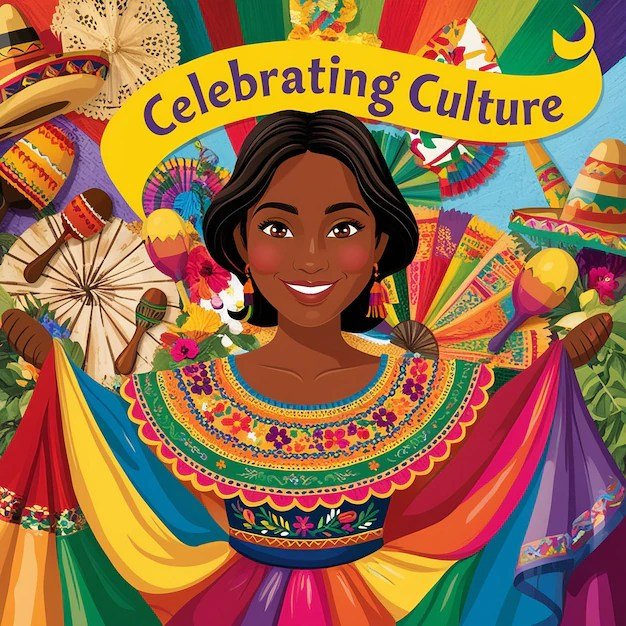
The world you inhabit, the beliefs you hold, the stories you tell—they aren't accidental. They're meticulously woven into the fabric of your existence by something profound and often invisible: your Cultural Impact & Legacy. It's the silent force that dictates not just who you are, but how your society functions, evolves, and faces the future. Think of it as the ultimate guide, steering identity and societal development from the cradle to the grave, and beyond.
At a Glance: Understanding Your Cultural Blueprint
- It's Your Story: Cultural legacy is the sum of traditions, values, and customs passed down through generations—language, art, food, beliefs.
- Identity's Anchor: It fundamentally shapes who you are, offering a sense of belonging, pride, and resilience.
- Society's Glue: It binds communities, dictating norms, ethics, and social interactions.
- Transmitted in Many Ways: From family dinners and religious practices to educational systems and societal expectations, culture is constantly being taught and learned.
- Always Evolving: In a globalized world, cultures blend, creating new traditions while facing challenges like the loss of old ones.
- Balance is Key: The goal isn't rigid preservation, but a dynamic balance between honoring heritage and fostering individual growth and adaptation.
- You're a Co-Author: Each generation has the power to reinterpret, question, and redefine cultural norms, shaping the legacy for those to come.
The Invisible Architects of Our Lives: What is Cultural Legacy?
Imagine a vast, intricate tapestry woven over centuries. Each thread represents a tradition, a value, a story, or a custom. This tapestry isn't just decoration; it's the very structure of our collective existence, constantly shaping who we are and how our societies grow. This, in essence, is your cultural legacy—an inheritance far more profound than any material wealth. It's the enduring impact of shared human experience, passed down through time.
Cultural legacy refers to the traditions, values, and customs transmitted across generations, encompassing everything from language and religion to arts, cuisine, and even the nuances of social etiquette. It acts as an invisible glue, binding communities, preserving the wisdom of the past, and subtly dictating what is considered acceptable or taboo in our daily lives. Without this inherited framework, our individual identities and societal developments would be adrift, lacking the deep roots that provide meaning and direction.
How Culture Gets Passed Down: The Transmission Channels
Cultural inheritance isn't a single, monolithic transfer; it's a dynamic, multi-faceted process. Think of it as a river with many tributaries, each contributing to the main flow of shared understanding. These channels are the primary ways culture imprints itself upon individuals and communities.
Language: The DNA of Thought
More than just a tool for communication, language is a living archive of history, values, and identity. Every idiom, every proverb, every turn of phrase carries centuries of cultural meaning. Learning a language isn't just acquiring vocabulary; it's adopting a new way of thinking, perceiving the world, and connecting with a specific cultural mindset. A bilingual or multilingual upbringing, for instance, naturally broadens an individual's perspective, offering a direct conduit to multiple cultural worlds.
Consider the Inuit language, with its many words for snow, reflecting a deep, nuanced understanding of their environment crucial for survival. Or how certain languages have elaborate honorifics, instantly signaling social hierarchies and respect. These aren't just linguistic quirks; they're direct expressions of deeply ingrained cultural values.
Upbringing's Embrace: First Teachers of Tradition
From the moment we're born, our upbringing acts as a relentless cultural immersion program. Children absorb norms not just from parents, but from grandparents, teachers, neighbors, and even the children's shows they watch. This early absorption dictates fundamental perceptions, from how we view authority and family roles to our understanding of gender expectations and morality.
Think about table manners: whether you eat with chopsticks, a fork, or your hands, or if talking loudly at dinner is encouraged or frowned upon. These aren't arbitrary rules; they're lessons in respect, community, and hierarchy, passed down through daily routines and gentle (or not-so-gentle) corrections.
Family's Hearth: Primary Unit of Cultural Transmission
Beyond mere upbringing, the family unit stands as the quintessential cultural incubator. It’s where traditions truly come alive—through storytelling, religious practices, holiday celebrations, and shared meals. This intimate environment shapes core values like work ethic, the importance of artistic expression, or the significance of extended family ties.
Imagine a family reunion where specific ancestral stories are retold each year, or where recipes passed down through generations become the centerpiece of every holiday feast. These aren't just fun gatherings; they are powerful rituals cementing cultural identity and belonging, ensuring that the legacy persists.
Faith & Values: Guiding Moral Compasses
For many, religion is a significant component of cultural inheritance, providing an explicit framework for moral values, ethical guidelines, and social conduct. Religious teachings often instill principles such as compassion, honesty, charity, and discipline, which then permeate daily life and societal structures.
From the quiet reflection of a Sunday service to the communal celebrations of Eid or Diwali, religious practices often define the rhythm of life and establish a shared moral code. These rituals and beliefs forge strong community bonds and dictate acceptable social boundaries, influencing everything from dietary customs to rites of passage.
Society's Blueprint: Shaping Behavior & Aspirations
Beyond immediate family and faith, broader societal expectations play a critical role. These are the unspoken norms that shape individual behavior, influencing approaches to leadership, relationships, and even professional environments. For example, some cultures prioritize open dialogue and direct feedback in the workplace, while others place a higher value on deference and respect for elders, even if it means indirect communication.
These expectations can influence personal aspirations as well. In a society that heavily emphasizes communal success over individual achievement, career choices and life paths might look very different compared to a culture that champions fierce independence and personal ambition.
The Classroom & Cash: Fueling Dreams and Opportunities
Education and economic resources are often intertwined with cultural values, significantly impacting an individual's aspirations and achievements. Cultures that emphasize education tend to produce individuals who deeply value knowledge, continuous learning, and intellectual pursuits. Similarly, economic conditions within a society influence the opportunities available, dictating social mobility and the perceived value of certain professions.
Consider how some cultures view higher education as a non-negotiable family priority, often pooling resources to send a child to a prestigious university. This reflects a deep-seated cultural belief in education as a path to upward mobility and family honor, an aspiration that directly shapes individual trajectories.
A World Blending: Globalization's Double-Edged Sword
In today's hyper-connected world, cultural inheritance is no longer a static, isolated experience. Exposure to different cultures through travel, digital media, and technology has profoundly accelerated the blending of traditions, fostering an unprecedented era of adaptability, open-mindedness, and new perspectives.
The Rich Tapestry: New Perspectives
The internet, international travel, and even something as simple as global cuisine have created a vibrant mosaic of cultural exchange. You might find a traditional Japanese aesthetic influencing modern Scandinavian design, or a West African rhythm underpinning a global pop hit. This cross-pollination enriches our lives, challenging preconceived notions and broadening our understanding of the human experience. It demonstrates that culture is dynamic, absorbing and transforming as it interacts with new ideas. In this swirling melting pot of influences, it's fascinating to Learn more about Fiona and Shrek and how cultural archetypes or narratives can transcend borders and resonate with diverse audiences, reflecting universal themes that cross cultural divides.
Navigating the Crossroads: Challenges of Modernity
However, this globalization also presents significant challenges. The rapid influx of external influences can lead to the dilution or even loss of traditional customs. Younger generations, particularly children of immigrants, often struggle to balance inherited cultural values with contemporary societal norms. This internal conflict can manifest as a struggle for identity, caught between the expectations of their heritage and the allure of their adopted culture. Preserving a distinct cultural identity in the face of global homogenization becomes a complex and often emotional task.
Champions of Heritage: Keeping Traditions Alive
Recognizing these challenges, communities, organizations, and governments worldwide strive to preserve heritage. This effort takes many forms: vibrant cultural festivals that showcase traditional music, dance, and food; language programs designed to keep endangered tongues alive; and storytelling initiatives that transmit oral histories and ancestral wisdom to new generations. These conscious efforts are vital in ensuring that cultural legacies aren't simply forgotten but continue to thrive and evolve.
The Human Heart of Culture: Identity, Well-being, and Self-Expression
The impact of cultural inheritance extends deeply into our emotional and psychological well-being. It's a fundamental aspect of who we are, offering both profound comfort and, at times, considerable pressure.
Finding Your Anchor: Belonging and Pride
A strong cultural identity provides an invaluable sense of belonging, anchoring individuals within a larger community and giving them a shared history. This connection fosters self-esteem, pride, confidence, and resilience. Knowing where you come from, understanding your roots, and sharing traditions with others creates a powerful psychological safety net. It allows you to navigate the world with a sense of purpose and a clear understanding of your place within the grand human narrative.
This sense of pride isn't just about celebrating the past; it's about drawing strength from it to face the present and future. When you identify with a rich cultural heritage, you inherit a legacy of innovation, resilience, and unique perspectives that empower you. As Neerja Raman eloquently states, "Your cultural legacy is the enduring impact you make on the artistic and social fabric of your community and beyond." It’s a powerful reminder that culture isn't just received; it's also created and contributed to by each individual.
When Traditions Clash: The Pressure to Conform
Conversely, rigid cultural expectations can create significant pressure and internal conflict. When cultural norms are inflexible, they can restrict self-expression or personal aspirations, particularly concerning gender roles, career choices, and lifestyle preferences. An individual might feel torn between honoring family expectations, for example, to pursue a specific profession or marry within their community, and their own desire for a different path.
This tension highlights a delicate balance: how do we respect and honor our cultural heritage without allowing it to stifle individual growth or dictate personal choices that clash with our authentic selves? The struggle is real for countless individuals striving to reconcile deep-seated traditions with evolving personal values and modern societal shifts.
Evolving Your Inheritance: Charting a Course for the Future
Cultural inheritance is never static; it's a living entity that evolves with each generation. Every new wave of individuals has the power to reinterpret traditions, question outdated norms, and infuse new meaning into ancient practices. This isn't betrayal; it's the very essence of cultural longevity. The challenge, and the opportunity, lies in navigating this evolution thoughtfully.
Embracing Curiosity: Learning from Our Roots
To truly appreciate and respect diversity, schools and institutions play a crucial role in emphasizing cultural history and heritage. Learning about your own traditions, and those of others, isn't just an academic exercise. It fosters empathy, curiosity, and a deeper understanding of the human story. When we understand the origins and evolution of cultural practices, we're better equipped to critically engage with them, deciding what to carry forward and what might need reinterpretation.
Educational initiatives that delve into the nuances of cultural narratives, art forms, and historical contexts empower individuals to become informed custodians of their legacy, rather than passive recipients.
Building Bridges: Dialogue Across Cultures
Active interaction with people from diverse cultural backgrounds is one of the most powerful tools for cultural evolution. These exchanges foster mutual understanding, break down stereotypes, and encourage genuine inclusivity. When you engage in dialogue with someone whose upbringing differs vastly from your own, you gain new perspectives, challenge your own biases, and discover common ground that transcends superficial differences. This constant cross-pollination of ideas is how cultures learn, adapt, and grow, creating a richer, more nuanced global tapestry.
Your Personal Legacy: Questioning and Redefining
Crucially, individuals should have the freedom—and feel empowered—to question and redefine cultural norms in ways that genuinely resonate with their personal values and aspirations. This doesn't mean discarding heritage wholesale, but rather critically assessing which traditions continue to serve them and their community, and which might limit personal growth or well-being. It's about personal agency within a cultural context, ensuring that traditions become springboards for development, not restrictive cages. This freedom allows for a dynamic interplay where personal evolution contributes to cultural evolution.
Making the Past Present: Modernizing Tradition
Finally, societies can find innovative ways to keep traditions relevant and engaging for new generations. This could involve digital storytelling projects that bring ancient myths to life through animation, online cultural archives that make historical artifacts accessible globally, or modern interpretations of traditional art forms that fuse old techniques with contemporary themes. The goal is not to change traditions for change's sake, but to present them in formats that speak to a modern audience, ensuring their continued vibrancy and preventing them from becoming mere historical footnotes.
Moving Forward: Shaping a Legacy That Lasts
Cultural impact and legacy provide the foundational architecture for our values, beliefs, and social interactions. They are the bedrock of individual and collective identity, offering a sense of continuity and meaning. Yet, to remain vital, this inheritance must always allow for evolution and adaptation in a rapidly changing world. It's a delicate dance between honoring the past and actively shaping the future.
Embracing both inherited traditions and diverse modern influences doesn't dilute culture; it strengthens it. It fosters a more inclusive and dynamic cultural landscape, one that respects the wisdom of those who came before while creating space for individuality, innovation, and shared human experience. Your role in this ongoing narrative is not just to receive your cultural legacy, but to thoughtfully contribute to it, ensuring it continues to guide, enrich, and inspire generations to come.