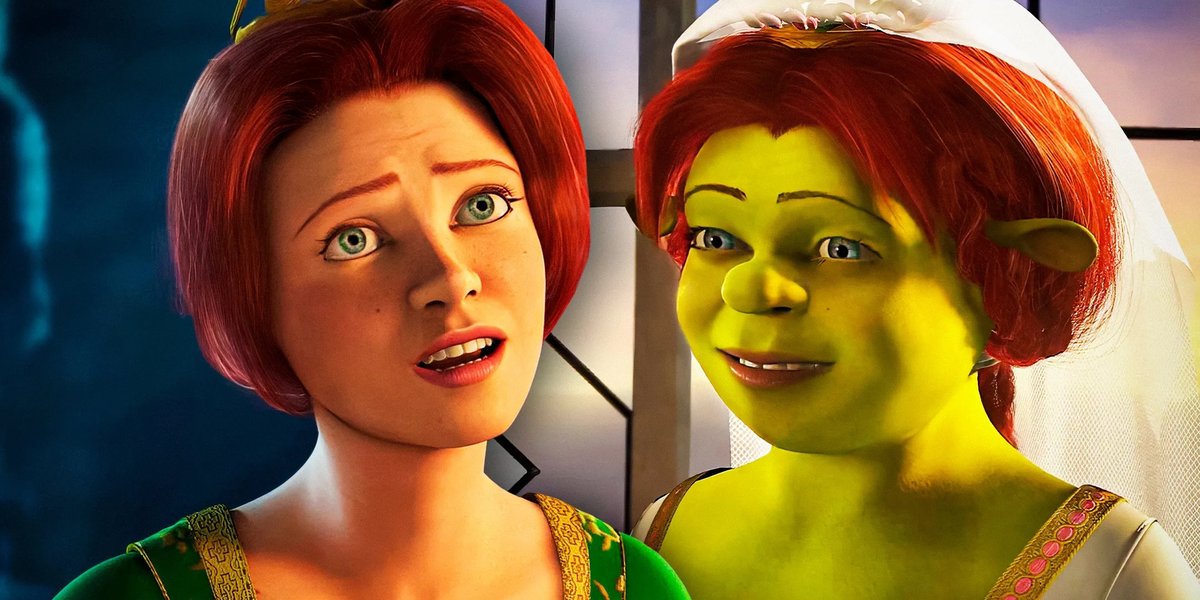
The world of animated cinema is often seen as a place for simple heroes and clear-cut villains, but every so often, characters emerge that challenge these norms, growing and evolving in ways that genuinely resonate. Among the most iconic of these are Princess Fiona and Shrek, whose journeys together and apart offer rich material for understanding character development at its finest. In these Character Deep Dives: Fiona vs. Shrek, we’re not just revisiting a beloved fairy tale; we’re dissecting the very essence of what makes these green protagonists so enduring, particularly when we peer into the radical alternate reality of Shrek Forever After.
At a Glance: Unpacking Fiona and Shrek's Evolution
- Fiona's Radical Shift: Originally a princess awaiting rescue, Fiona's alternate timeline self transforms into a self-reliant warrior general, leading an ogre resistance.
- Redefining "Happily Ever After": For Fiona, true happiness shifts from romantic love to collective freedom, community, and self-actualization achieved through fierce independence.
- Leadership in Action: The alternate Fiona showcases strategic, communal, and collaborative leadership, starkly contrasting Shrek's initial individualistic approach.
- Dismantling Tropes: Fiona actively rejects the damsel-in-distress narrative, explicitly stating, "I saved myself," and subverting the "True Love's Kiss" trope.
- Shrek's Enduring Growth: While Fiona's transformation is dramatic, Shrek's journey from grumpy loner to loving family man provides a powerful, consistent arc of emotional openness.
- A Complex Partnership: Their eventual union is based on equality, with Fiona returning to Shrek only after cementing her independent identity and values.
The Classic Setup: Princess Fiona and Shrek's Early Days
When we first met Fiona in Shrek, she was the quintessential fairy tale princess: beautiful, with long, flowing hair and elegant dresses, imprisoned in a dragon-guarded tower, patiently awaiting her Prince Charming. She was kind, gentle, and outwardly prim, a product of royal upbringing. Yet, even in those initial moments, subtle hints of her true nature — and her nighttime ogre form — suggested a deeper complexity. She could fight, she had a dry wit, and she certainly wasn't one to simply faint.
Shrek, on the other hand, was the anti-fairy tale hero. A hulking, green ogre with a tough exterior and an even tougher attitude, he relished his solitude in a swamp. He was cynical, grumpy, and had been shunned for most of his life, leading him to build formidable emotional walls. His journey began not out of heroism, but a desire to regain his peace and quiet.
Despite their stark differences – the refined princess and the crude ogre – both Fiona and Shrek shared a fierce independence and an unwavering loyalty to those they eventually cared for. Their initial story saw Fiona embracing her ogre form as her true self, and Shrek learning to open his heart, proving that true love truly knows no bounds, regardless of appearance. It was a groundbreaking narrative that taught us to look beyond the surface.
A Divergent Path: Fiona's Radical Transformation in Shrek Forever After
While the first three films chronicle their burgeoning romance, marriage, and family life, it's Shrek Forever After that truly peels back the layers of Fiona's potential, presenting a "what if" scenario that forever enriches her character. In Rumpelstiltskin's alternate reality, where Shrek was never born, Fiona isn't waiting for anyone. She is a force of nature, a self-reliant warrior, and the undisputed leader of the ogre resistance.
Imagine a princess who trades ballgowns for battle armor, castles for a muddy, grit-filled resistance camp, and romantic aspirations for the burning desire for liberation. This Fiona is no damsel in distress; she leads a revolution, prioritizing her people's freedom above all else. She's a general, a strategist, and a liberator, forging an identity completely independent of any male figure. Her "happily ever after" is one she's actively building for herself and her community.
This alternate Fiona organized downtrodden ogres into a disciplined fighting force. She meticulously planned all missions, from vital supply raids to cunning tactical ambushes against Rumpelstiltskin's tyrannical regime. She didn't just command; she personally trained her fellow ogres, turning them into capable warriors. Her leadership was earned through strength, courage, and an unyielding dedication to collective freedom. This Fiona embodies calculated, communal, and strategic leadership, focused on building a sustainable liberation movement. She's collaborative, empowering her team, and motivated by the greater good, employing analytical and patient problem-solving. This approach provides a fascinating contrast to Shrek's initial impulsive, individualistic, short-term, self-interested, and often brute-force methods.
"I Saved Myself": Dismantling the Damsel Trope
Perhaps one of the most powerful moments in this alternate timeline is Fiona’s explicit declaration: "I saved myself." This isn't just a line; it's a mission statement. It emphasizes her agency and firmly rejects the notion that she needs a man to rescue her. The film brilliantly subverts the "True Love’s Kiss" trope, a cornerstone of fairy tales. When Shrek initially tries to kiss her to break Rumpelstiltskin’s spell, it fails. Why? Because in this reality, Fiona hasn't fallen in love with him. Her "true love" here is her cause, her people, and her freedom. The curse is only broken when Fiona, having chosen to love Shrek on her own terms, kisses him, thereby restoring her agency and the original timeline.
This version of Fiona actively critiques traditional princess narratives by living a life of mud and grit, embracing her ogre form as a symbol of strength and leadership, and defining her mission as liberation, not marriage. She rejects Shrek's initial advances, not out of cruelty, but because her mission and her people come first. It’s a powerful statement of self-worth and a lack of need for male validation. She finds happiness and fulfillment not in romance, but in building a family with her fellow ogres, leading the fight for freedom, and achieving self-actualization through hardship and perseverance.
Fiona: A Feminist Icon in Green
The Fiona of Shrek Forever After stands as a powerful feminist icon. She makes her own choices, is emotionally, physically, and strategically self-sufficient, and actively rejects prescribed princess or wife roles. Her value is not tied to a man, nor is her identity defined by her relationship status. Without Shrek, she is "Fiona, leader of the resistance"—a title she has earned and embodies with every fiber of her being. Her eventual return to a life with Shrek occurs as an equal partner, and crucially, only after her independent identity and self-worth are firmly established. This ensures that their partnership is built on mutual respect and shared strength, rather than dependency. You can delve into more nuanced character studies by exploring All about Fiona or Shrek and the intricate details of their individual journeys.
The Unlikely Hero: Shrek's Journey to Openness
While Fiona’s alternate-timeline arc is a monumental character study, we shouldn't overlook Shrek’s own significant development across the series. From the beginning, Shrek was the reluctant hero, driven by self-interest (getting his swamp back) rather than altruism. His journey was one of gradually dismantling the emotional walls he had built around himself.
Initially, Shrek was wary of everyone, preferring the solitude of his swamp. He viewed the world with cynicism, convinced that everyone would judge him for being an ogre. But through his interactions with Donkey, and especially Fiona, he slowly began to open up. He learned to trust, to care, and eventually, to love. His transformation wasn't a sudden burst of heroism but a gradual, often begrudging, acceptance of connection and intimacy. He became a loyal friend, a devoted husband, and a loving father, demonstrating that even the grumpiest ogre can find joy in companionship.
Shrek's arc is a powerful reminder that growth isn't always about dramatic outward change, but often about the profound internal shift from isolation to connection, from self-preservation to self-giving. His arc, while less outwardly revolutionary than Fiona's alternate path, is no less important in illustrating the core themes of acceptance and belonging that define the Shrek universe.
A Tale of Two Fionas: Evolution of an Ogre Princess
Comparing Fiona across the entire series, especially with her Shrek Forever After counterpart, reveals a truly remarkable character evolution. It's not just a change; it's a profound strengthening that retroactively enhances her character in all films, confirming her innate heroism and capacity for self-salvation.
Let's break down the transformation:
| Aspect | Fiona in Shrek 1-3 | Fiona in Shrek Forever After (Alternate Timeline) |
|---|---|---|
| Identity | Princess, Shrek’s wife, mother | Warrior General, Leader of the Ogre Resistance |
| Motivation | Breaking her curse, finding true love, protecting family | Liberating her people, overthrowing a tyrant, self-actualization |
| Skills | Capable fighter, defensive, resourceful | Masterful strategist, trained warrior, tactical genius, inspiring leader |
| Emotion | Generally optimistic, loving, compassionate, occasionally weary | Cynical, battle-hardened, focused, resolute, weary from constant struggle |
| Fulfillment | Family, romantic love, friendships | Mission, community, independence, collective freedom |
| Leadership | Supportive, brave, takes initiative when needed | Proactive, decisive, collaborative, communal, strategic |
| Relationship with Shrek | Initially dependent (curse), then equal partner in love/family | Initially dismissive (lack of shared history), then choosing Shrek as an equal partner after establishing independence |
| This "what if" version of Fiona doesn't just present an alternative; it solidifies her as a complex, empowered heroine capable of saving herself and leading others. It confirms that her strength was always within her, waiting for the right circumstances to fully blossom. |
Beyond Fairy Tales: What Fiona's Arc Teaches Us About Modern Heroines
Fiona's complete character arc, particularly when accounting for her alternate reality persona, offers invaluable lessons for understanding and appreciating modern heroines:
- Agency is Paramount: Fiona's journey underscores the critical importance of a character's ability to make their own choices, define their own path, and act independently of external pressures or traditional expectations.
- Redefining Happiness: Her alternate story challenges the conventional "happily ever after" as solely a romantic outcome. It broadens the definition to include collective freedom, community, self-actualization, and the fulfillment derived from a chosen mission.
- Leadership Comes in Many Forms: Fiona demonstrates that effective leadership isn't just about brute strength (Shrek's initial inclination) but about strategic thinking, communal collaboration, empathy, and patient problem-solving.
- Embracing True Self: Her embrace of her ogre form, not as a curse but as a symbol of strength and identity, resonates deeply. It's a powerful metaphor for accepting and leveraging one's unique qualities, even those society might deem undesirable.
- The Power of "What If": Exploring alternate timelines can profoundly enrich a character, revealing dormant strengths and motivations that might otherwise remain unseen, ultimately making the primary timeline's character even more compelling.
Common Questions About Fiona and Shrek's Character Journeys
When diving into characters as rich as Fiona and Shrek, a few common questions often arise:
Was Fiona always strong, even before Shrek Forever After?
Absolutely. Even in Shrek 1-3, Fiona demonstrated incredible resilience, fighting skills, and a refusal to conform to stereotypical princess behavior. Her ability to fend off attackers, her pragmatic approach to swamp living, and her ultimate acceptance of her ogre form all pointed to an inherent strength. Shrek Forever After simply provided the crucible for these latent qualities to forge her into a full-fledged leader.
How does Fiona's alternate timeline affect how we view her relationship with Shrek?
It deepens it significantly. Her independence in the alternate reality ensures that her return to Shrek isn't out of necessity or a lack of options, but a conscious, empowered choice. It elevates their partnership to one of true equals, where both bring immense personal strength and self-awareness to the relationship. It emphasizes that their love is a choice, freely given, not a default state.
What's the biggest misconception about Shrek's character development?
A common misconception is that Shrek doesn't change much beyond accepting love. While his external appearance remains the same, his internal journey from a cynical, solitary ogre to a loving, connected individual is profound. His growth is less about dramatic action and more about emotional vulnerability and the slow, difficult process of letting others into his life, making his character arc incredibly relatable.
Is one character's development "better" than the other's?
Not at all. Both Fiona and Shrek undergo equally significant, albeit different, forms of character development. Fiona's arc is about realizing her full potential for leadership and self-sufficiency, challenging societal norms. Shrek's is about overcoming deep-seated emotional isolation to embrace connection and family. Both are powerful and necessary for the enduring appeal of the series.
Crafting Your Own Deep Dives: Lessons from Far Far Away
Analyzing characters like Fiona and Shrek isn't just for film critics; it's a valuable skill that enhances our appreciation for storytelling and even our understanding of human nature. Here’s how you can apply lessons from Far Far Away to your own character explorations:
- Look for Internal Conflict: What are the character’s inner struggles? Fiona's curse and Shrek's desire for solitude were central to their initial conflicts. True depth emerges from these internal battles.
- Trace the Journey, Not Just the Destination: Pay attention to the steps and missteps a character takes. How do they react to challenges? What lessons do they learn? Fiona's journey from tower to resistance camp is a series of growth points.
- Identify Pivotal Moments: Are there specific scenes or decisions that fundamentally change the character’s trajectory? For Fiona, embracing her ogre form or uttering "I saved myself" are game-changers.
- Consider "What If" Scenarios: Like Shrek Forever After, imagine alternative paths. How would a different choice or circumstance reveal another facet of their personality? This thought experiment can illuminate core traits.
- Analyze Relationships: How do other characters influence their growth? Donkey’s persistent friendship helped Shrek open up, and Fiona’s strong will challenged Shrek’s cynicism. Relationships are mirrors and catalysts for change.
- Seek Subversion of Tropes: Does the character challenge stereotypes or narrative expectations? Both Fiona and Shrek constantly upend traditional fairy tale roles, making them far more interesting.
Embracing Complexity: The Enduring Legacy of Fiona and Shrek
The character deep dives into Fiona and Shrek reveal more than just entertaining story arcs; they offer profound insights into agency, identity, and the fluid nature of "happily ever after." Fiona, in particular, stands as a testament to the power of a woman who defines her own worth and builds her own destiny, whether as a loving wife and mother or as a fierce warrior leading a revolution. Shrek's journey complements this, reminding us that even the toughest exteriors can house the tenderest hearts, capable of immense love and connection.
Their stories, separately and together, showcase that character development isn't always linear or predictable. It's often messy, surprising, and deeply human (or ogre-like). By exploring their evolving stories, we gain a richer appreciation for the complexities of storytelling and the enduring appeal of characters who dare to defy expectations and forge their own paths. Fiona and Shrek aren't just characters in a fairy tale; they are reflections of our own capacity for growth, resilience, and the endless pursuit of an authentic, fulfilling life.